
Table of Contents
- Apple Cider Vinegar (ACV)
- Fiber (soluble, insoluble, prebiotic)
- Walking after meals
- Papaya chewable digestive enzymes
- Fermented foods
- Warm liquids (water, tea, optional lemon)
- Additional gut-supporting pratices
If you’ve been dealing with changes to your gut health such as bloating, excess gas, constipation, nausea, or that “full for hours” feeling, you’re not alone. Digestive symptoms are incredibly common with shifts in eating patterns, stress from life and busy schedules, and especially for anyone taking GLP-1 medications.
Improving your gut health doesn’t have to be complicated.
You can start making slight changes today that can go a long way in supporting digestion, gut motility (movement in the digestive system), and a healthy microbiome. Below are just a few practical tools I incorporate into my own regimen and that I recommend to all clients. These aren’t meant to be rigid protocols but options you can experiment with and personalize as you work to naturally improve your gut health.
However helpful the tools below may be, a friendly reminder that proper nutrition will always be your gut’s first line of defense against discomfort.
As always, this information is for educational purposes and is not intended to replace medical advice. If you’re taking a GLP-1 medication or managing a medical condition, work with your healthcare provider regarding symptoms, supplements, or medication adjustments.
Apple Cider Vinegar (ACV)
Fermented apple cider vinegar contains acetic acid and trace enzymes that can support digestion. I recommend Braggs brand with “the mother” for additional health benefits from the fermentation process (compared to filtered versions).
How it helps
ACV can help stimulate stomach acid and digestive enzymes, which can improve the breakdown of food, especially protein. For people on GLP-1s who experience bloating or that “stuck food” feeling, this gentle stimulation can support gut motility and reduce heaviness after meals.
How to use it
Mix 1–2 teaspoons in a large glass of water and sip before meals, or add it to salad dressings if you like an acidic taste. Always dilute it with water to avoid damaging tooth enamel. Skip if you have acid reflux.
Fiber (soluble, insoluble, prebiotic)
Fiber is the indigestible part of plant foods that feeds your gut and keeps you regular. When you hear “eat more fiber,” it’s most often referring to insoluble fiber from veggies and whole grains, which adds bulk and supports bowel movements.
How it helps
Fiber is essential for gut motility, stool regularity, and microbiome health. GLP-1s slow digestion, which can increase constipation; fiber helps counterbalance this effect when increased gradually. Emphasis on gradually – a single fiber-rich meal goes a long way.
How to use it
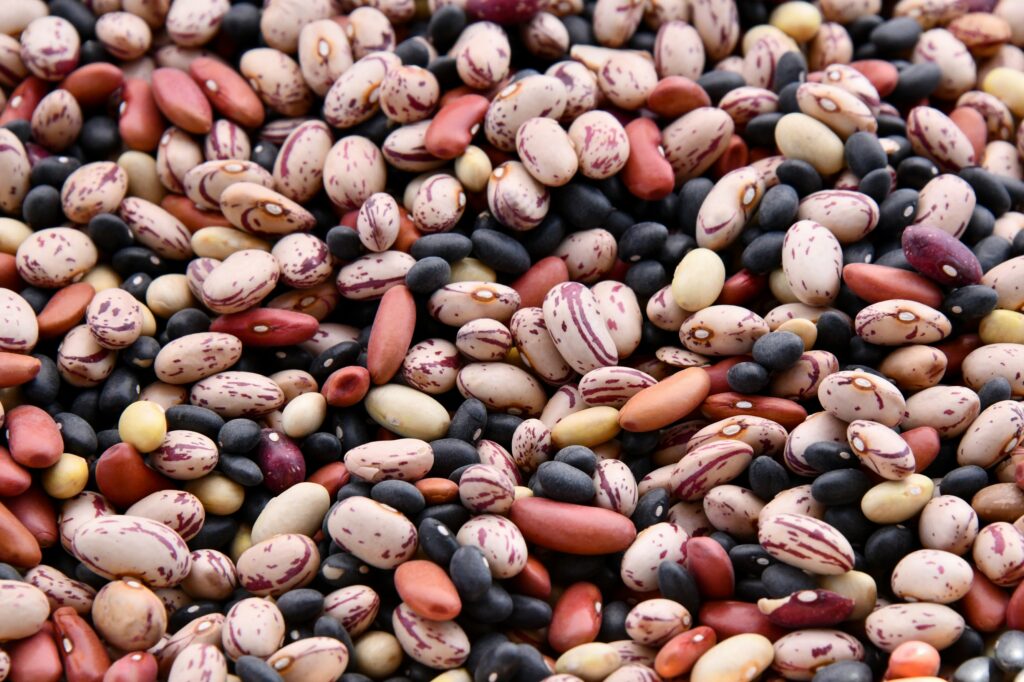
Focus on whole foods: vegetables at most meals, berries, beans, oats, chia or ground flax. Pair fiber with plenty of water.
Walking after meals
A stroll after eating gently stimulates the digestive system.
How it helps
Walking increases gut motility, supports blood sugar regulation, reduces bloating, and helps food move through the GI tract. It also supports the nervous system, which directly affects digestion.
How to incorporate it
A 5–15-minute walk after meals is enough to make a difference. It doesn’t need to be strenuous, think “digestive stroll,” not workout.
Papaya chewable digestive enzymes
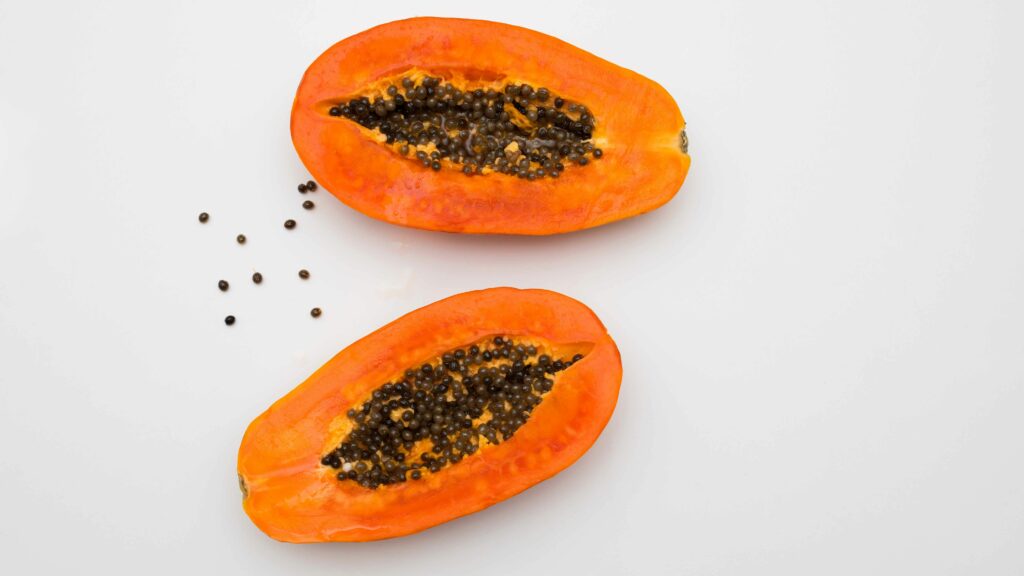
Papaya contains papain, a natural enzyme that helps break down protein.
How it helps
Digestive enzymes can reduce bloating, gas, and fullness by supporting the breakdown of food. If your appetite is low and your meals are smaller and centered on protein, taking an enzyme after you eat can help keep things moving.
How to use it
Chew one tablet at the start or end of meals. Use as needed rather than constantly, and think of enzymes as support, not a replacement for good chewing and mindful eating.
Fermented foods
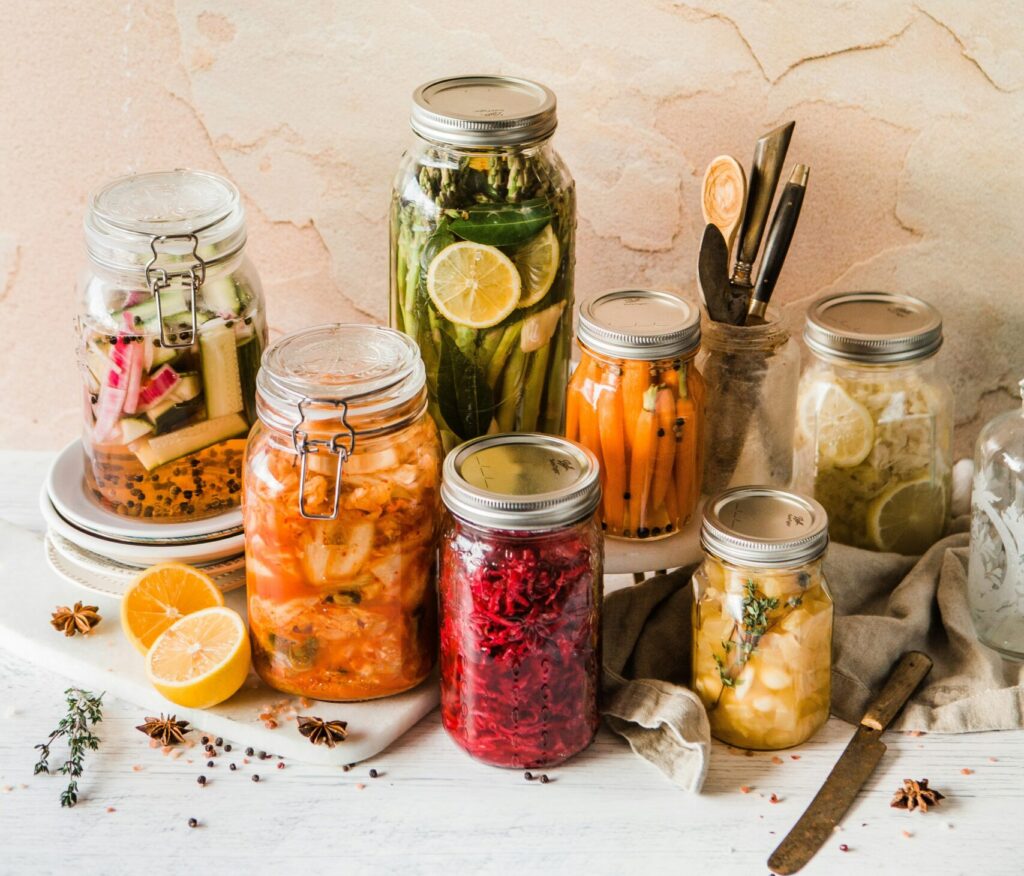
Foods that contain beneficial bacteria from the fermentation process, such as yogurt, kefir, sauerkraut, kimchi, miso.
How they help
Fermented foods introduce probiotics that support gut microbial diversity, digestion, and immune health. They can also help improve stool consistency and reduce GI discomfort over time.
How to use them
Start small by eating 1–2 tablespoons of sauerkraut or a few bites of yogurt daily. Like fiber, a gradual and consistent increase matters more than quantity. I recently started using Wegmans brand miso paste when sautéing veggies, and the taste is amazing! 10/10 recommend.
Warm liquids (water, tea, optional lemon)
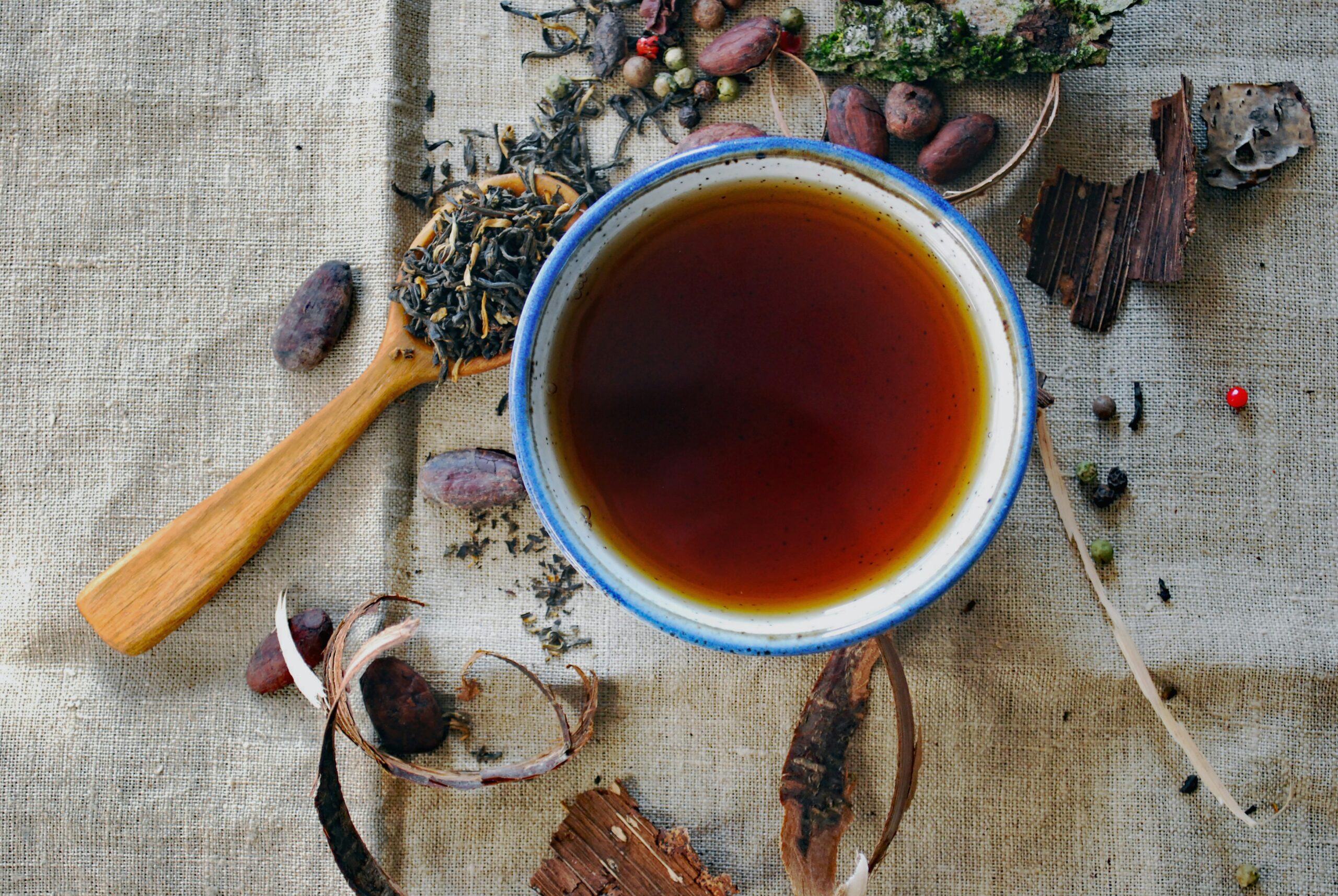
Warm water, herbal tea, or warm water with lemon first thing in the morning to stimulate gut motility. It took me some getting used to, but now starting my day with warm water is a non-negotiable.
How they help
Warm liquids stimulate digestion, relax the gut, and can encourage bowel movements. Lemon helps gently stimulate bile flow, which helps with fat digestion. Consider how the Chinese prioritize warm liquids, soups, cooked veggies and tea compared to our cold cereals, ice water, salads and coffee…they’re on to something!
How to use them
Begin the day with a mug of warm water or herbal tea. You can add lemon if you’d like.
Additional gut-supporting pratices
Eating slowly & chewing thoroughly
Did you know that food should be chewed about 32 times before swallowing? That’s because digestion starts in the mouth. Slowing down reduces bloating, improves enzyme release, and helps the body better tolerate smaller portions common with GLP-1s. Whenever possible, eat in a distraction-free space – no screens, no talking, no rushing.
Hydration with electrolytes
Dehydration worsens constipation. Sip fluids throughout the day and add electrolytes at least once each day for proper hydration. Plain water itself is not hydrating.
Magnesium
Magnesium-rich foods such as leafy greens and pumpkin seeds support muscle relaxation, including those in the GI tract, helping with regularity.
Reducing stress
The gut and nervous system are deeply connected. Gentle breathing, stretching, and evening wind-down routines can improve digestion often as much as food choices.
Every body is different, especially when it comes to digestion, and what works for one person might not work for another. Start slowly, listen closely to your body’s feedback several hours after meals, and remember that your health journey is about doing only what works for you.