You know that training, nutrition, sleep, and stress management all matter, but the overwhelming amount of fitness advice out there has made it difficult to know where to start. And unless you’re like me, spending hours every week studying holistic health, female physiology, and designing training programs, it can feel impossible to figure out where to best spend your time and energy.
So, with you in mind, I’ve distilled it down to a simple framework.
This isn’t a rigid plan or a perfect formula. It’s a starting point based on the science of female physiology and the things that will help you build strength, improve your health, and maintain results long term.
First, make strength training non-negotiable
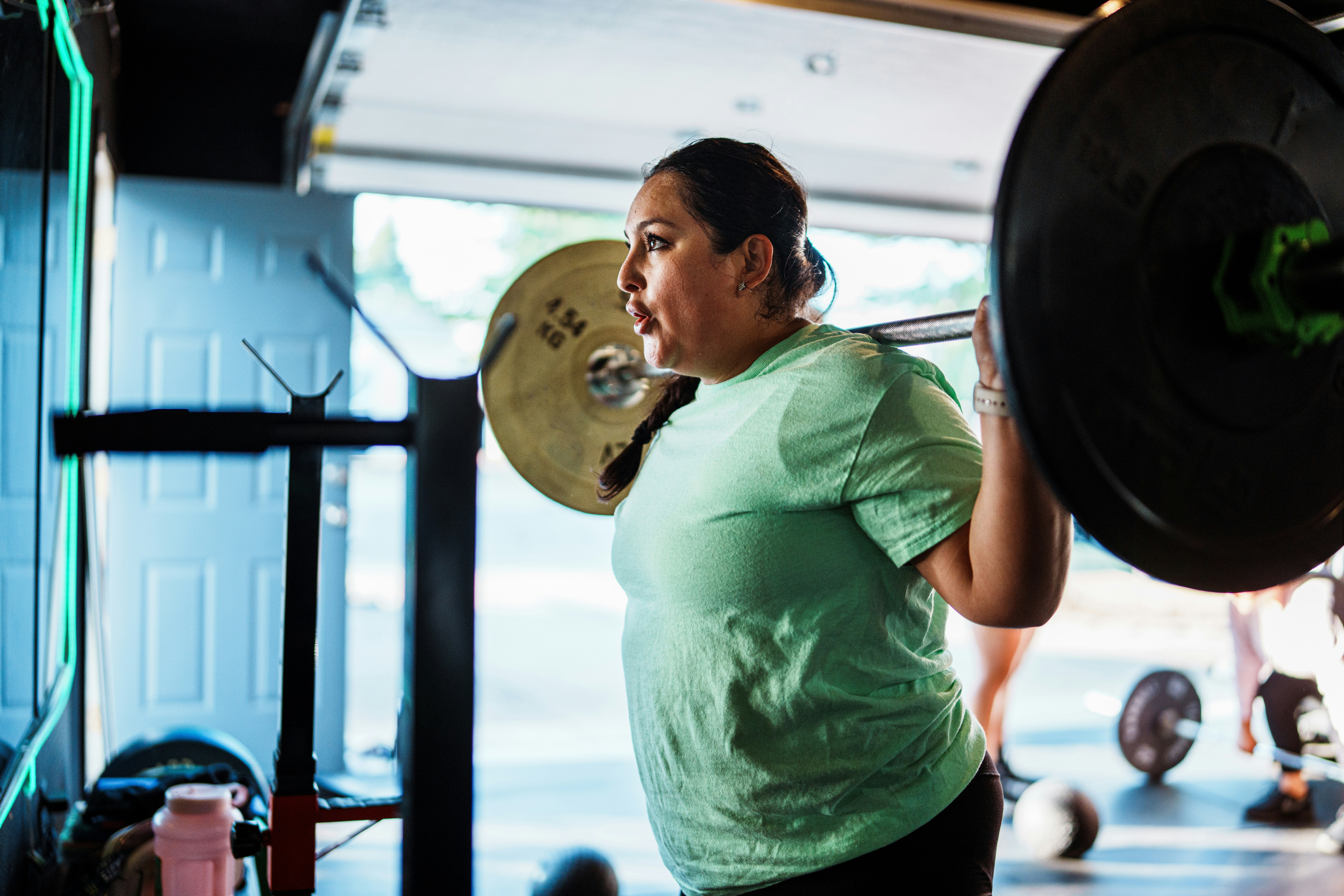
If you do nothing else right now, start lifting weights. Just 2–3 sessions per week of progressive overload strength training is one of the best things you can do for your body at any age and in any phase of life (hello, peri…).
Building and maintaining muscle supports your metabolism, bone health, insulin sensitivity, and the ability to do the things you love as you get older.
Cardio matters, but think of it like a condiment, not the main meal.
You wouldn’t eat a plate full of ketchup, right? Cardio shouldn’t dominate your entire training program. It’s there to support your strength training, not replace it. Interested in working with me on a personalized training program? Contact me here.
Then, fuel your efforts
Under fueling is the most common nutrition pitfall I see among active women in their 30s and older. When you don’t eat enough, you undermine all of the work you’re putting into your workouts. Simply put, your body can’t build muscle, recover properly, think straight, or support your hormones if it doesn’t have enough fuel.
Start by prioritizing protein. A healthy goal for active women is around 1.6 to 2.2 grams per kilogram of body weight per day. Then, time your fiber-rich carbohydrates around your workouts. Eating more of your carbohydrates before and after strength training can help fuel your workouts and support recovery.
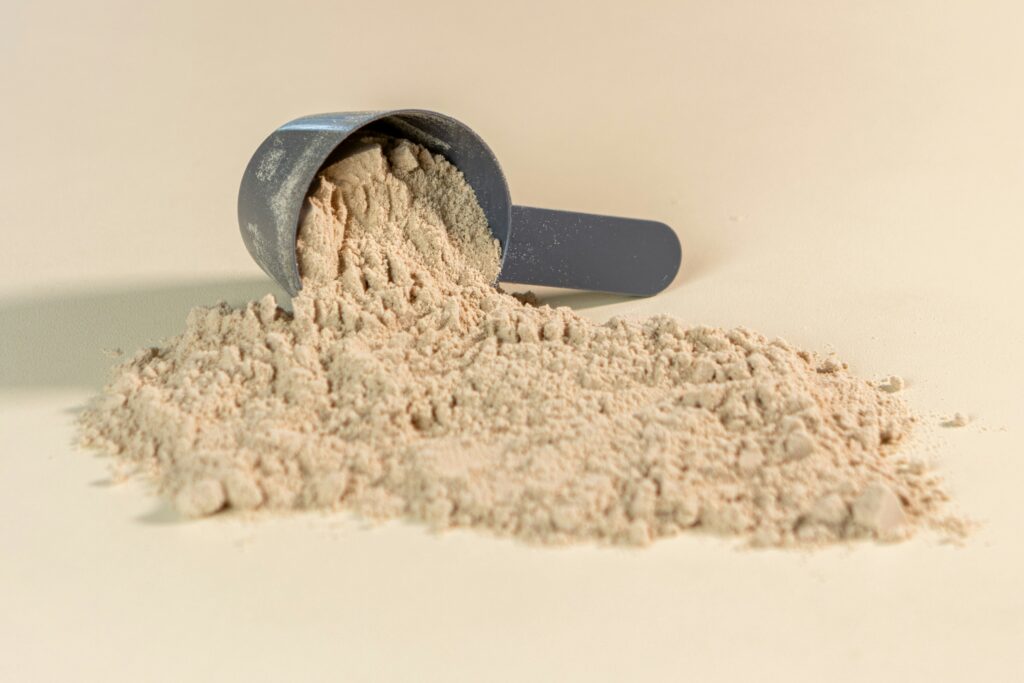
And if you struggle with eating early in the morning, don’t force yourself to train completely fasted. A protein shake can be a simple way to give your body what it needs before training.
Quick protein math:
Convert your weight to kilograms by dividing your weight in pounds by 2.2.
For example, if you weigh 180 pounds: 180 ÷ 2.2 = approximately 82 kilograms
Your protein range would be:
- Lower end: 82 x 1.6 = about 130 grams/day
- Upper end: 82 x 2.2 = about 180 grams/day
Most women can comfortably aim somewhere in the middle around 150g per day in this example.
Next, take your sleep as seriously as your training
Sleep is where the magic happens.
During 7–9 hours of quality sleep, your body adapts to your workouts, repairs muscle tissue, supports recovery, and regulates the hormones that help everything work together.

You can train hard and eat well, but if you consistently sacrifice sleep, you’re leaving results on the table. If you’re struggling with sleep, try these simple tips.
Last, but certainly not least, build community and connection
This is one area I don’t think we talk about enough in the fitness world. We are not meant to go through life alone.
Longevity research consistently shows that meaningful social connection (real-life connection, not just interactions on social media) is one of the strongest contributors to overall health and wellbeing.
For women especially, the quality of our friendships and relationships can influence stress levels, cognitive resilience, inflammation, and our ability to navigate life’s challenges.
Prioritize relationships that fill your cup. Exercise with friends when you can. Surround yourself with people who support your growth. And don’t forget to unfollow people in real life, too.
Read more about longevity and social connections here.
Start where you are. Pick one area to focus on. Then build from there.